





- Home/
- Buy Neurontin Without Prescription in the United Kingdom Today
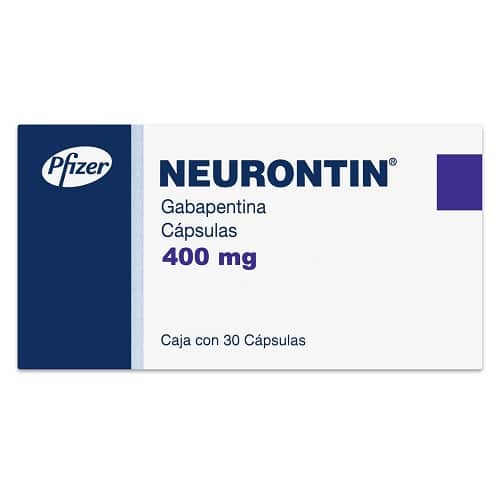
Can Neurontin Be Obtained Without a Prescription in the United Kingdom?
Neurontin (gabapentin) is a prescription-only medicine in the United Kingdom. It cannot be legally obtained without a valid prescription from a qualified healthcare professional. Non-prescription use is both illegal and unsafe.
Key Takeaways: What Every Patient in the United Kingdom Needs to Know About Neurontin
- Neurontin is only available with a prescription in the UK — you must consult a doctor and obtain an assessment before starting treatment.
- It is primarily used for neuropathic pain and some forms of epilepsy, but not every patient with nerve pain will benefit or tolerate it well.
- Gabapentin can cause drowsiness, dizziness, and coordination problems; caution is needed with activities like driving, especially when starting therapy.
- Misuse or abrupt discontinuation may lead to withdrawal symptoms. Always follow your doctor’s instructions regarding dose changes or stopping the medicine.
- If you experience serious side effects (such as severe rash, swelling, or breathing difficulties), seek immediate medical attention.
- Discuss all other medicines and health conditions with your doctor before starting Neurontin, as significant drug interactions and contraindications exist.
What Is Neurontin and Who Might Benefit in the UK?
Neurontin is the brand name for gabapentin, a medication first approved in the 1990s to treat epilepsy but now more commonly prescribed for neuropathic pain — a type of persistent pain arising from nerve damage. Typical conditions include diabetic neuropathy, postherpetic neuralgia (pain after shingles), and some chronic pain syndromes. Neurontin may also be considered for partial seizures, restless legs syndrome, and off-label uses such as anxiety, but these are less common in UK practice.
It’s important to note that Neurontin is not suitable for all types of pain. It does not relieve pain caused by inflammation, injury, or headaches unless nerve involvement is confirmed. Clinical guidelines from the National Institute for Health and Care Excellence (NICE) recommend gabapentin only after other first-line treatments have failed or are unsuitable.NICE
How Does Neurontin Work? The Science Behind Gabapentin
Gabapentin acts by modulating the activity of voltage-gated calcium channels in the nervous system, specifically the alpha-2-delta subunit. Unlike classic painkillers or anti-inflammatories, it does not block pain signals directly. Instead, it reduces excessive neuronal firing and dampens the overactivity of nerves that is characteristic of neuropathic pain and certain seizure disorders.
At the cellular level, gabapentin binds to the alpha-2-delta subunit of presynaptic voltage-gated calcium channels. This reduces the release of excitatory neurotransmitters such as glutamate and substance P, which are associated with nerve pain and seizure activity.PubMed
Metaphorically, if your nerves are like faulty electrical wires constantly misfiring, gabapentin acts like an insulator, helping to quiet the ‘noise’ and restore a calmer baseline. The effect does not depend on outside triggers or specific conditions; it works as long as the medicine is taken regularly and as prescribed.
Expert Commentary: Patients’ Expectations and Realities With Gabapentin Therapy
In my experience, one of the most common misconceptions among patients is expecting immediate and complete pain relief after starting Neurontin. Many believe that if they don’t notice improvement within a day or two, the medicine “isn’t working,” but in reality, gabapentin often takes a week or longer to reach its full effect, and dose titration may be necessary. Patients rarely ask about how to measure progress or what kind of pain improvement is realistic; they may focus solely on complete pain elimination, which is seldom achievable. It’s also not unusual for individuals to overlook subtle benefits such as improved sleep or reduced pain flares. Another challenge is distinguishing between medication side effects and symptoms of the underlying condition, which sometimes leads to unnecessary discontinuation. I wish more patients would discuss their goals and expectations with their doctor before starting treatment, to avoid disappointment and premature cessation of a potentially helpful therapy.
How Should Neurontin Be Taken? Dosage, Timing, and Duration
Neurontin is available in several strengths (100 mg, 300 mg, 400 mg, 600 mg, and 800 mg) and as capsules, tablets, and oral solutions. The standard starting dose for neuropathic pain in adults is typically 300 mg once daily on day 1, increased to 300 mg twice daily on day 2, and then 300 mg three times daily on day 3. Dosage is then adjusted based on clinical response and tolerability, often up to a usual maintenance dose of 900–1800 mg per day, divided into three doses.
- Maximum dose: Do not exceed 3600 mg per day (in divided doses), though most UK patients require less.
- Elderly and impaired kidney function: Lower starting doses and slower titration are advised. Regular monitoring is essential.
- Children: Neurontin is only prescribed for epilepsy and specific indications. Doses are weight-based; consult a paediatric specialist.
- Tablet splitting: Only split tablets if they are scored and your pharmacist confirms it is safe to do so.
Peak blood levels are usually reached within 2–3 hours of oral intake. The duration of action is about 8 hours, which is why the usual regimen is three times daily. Consistency is critical — take doses at equal intervals where possible.
It is essential not to stop gabapentin suddenly without medical advice, as this can cause withdrawal symptoms or worsen seizures in susceptible patients.
Does Food or Alcohol Affect How Neurontin Works?
Gabapentin can be taken with or without food. In some cases, taking it with food may reduce stomach upset, but food does not significantly affect the absorption or effectiveness of standard Neurontin tablets or capsules.
- Alcohol: Combining Neurontin with alcohol is not recommended. Both substances depress the central nervous system, increasing drowsiness, dizziness, and the risk of falls or accidents. There is no “safe” alcohol limit while on gabapentin — ideally, avoid alcohol altogether during therapy.
- Fatty meals: Unlike some medicines, high-fat meals do not delay absorption of Neurontin in a clinically significant way.
- Grapefruit juice: No known interaction exists between gabapentin and grapefruit juice.
Compatibility Check: Neurontin With Other Substances
| Product Type | Can Be Combined? | Consequences/Notes |
|---|---|---|
| Simple analgesics (e.g. paracetamol) | Yes | No significant interaction |
| Opioids (e.g. morphine, tramadol) | With caution | Increased risk of drowsiness and respiratory depression |
| Alcohol | Not recommended | Increased sedation, falls risk |
| Antacids (e.g. aluminium/magnesium) | Separate by 2 hours | Antacids may reduce gabapentin absorption |
| Antiepileptics (e.g. phenytoin, carbamazepine) | Yes, but monitor | No major interaction, but clinical effects may overlap |
Who Should Not Take Neurontin? Absolute and Relative Contraindications
- Absolute contraindication: Known allergy or hypersensitivity to gabapentin or any excipients in the formulation.
- Severe renal impairment: Gabapentin is eliminated through the kidneys. In people with severe kidney disease (eGFR <30 ml/min), dose adjustments are mandatory, and in patients on dialysis, specialised regimens are needed.
Relative contraindications and caution required:
- History of substance misuse: Gabapentin has potential for misuse, particularly in combination with opioids.
- Respiratory compromise: People with chronic lung disease or those taking opioids are at increased risk of severe sedation and breathing difficulties.
- Pregnancy and breastfeeding: Gabapentin should only be prescribed if benefits outweigh risks. Discuss with your doctor.
- Mental health disorders: There have been reports of mood changes, depression, and suicidal thoughts. Close monitoring is essential in patients with psychiatric conditions.
- Elderly: Greater likelihood of side effects such as confusion, drowsiness, and falls.
There is no minimum withdrawal period after a cardiovascular event (e.g., heart attack) applicable to gabapentin, but careful assessment is needed before prescribing in any unstable medical condition.
What Side Effects Are Most Common With Neurontin?
The side effect profile of Neurontin is well-established in clinical practice and study data. Below is the current UK-based guidance based on frequency:
- Very common (>1 in 10): Drowsiness, dizziness, fatigue, peripheral oedema (swelling of hands/feet).
- Common (1 in 100 to 1 in 10): Ataxia (unsteady walking), tremor, blurred vision, double vision, weight gain, dry mouth, infection risk, mood changes, memory problems, nausea, vomiting.
- Uncommon to rare (1 in 1,000 to 1 in 10,000): Allergic reactions (rash, hives, anaphylaxis), suicidal thoughts, chest pain, jaundice, low blood sodium, muscle pain, urinary incontinence.
- Very rare (<1 in 10,000): Severe skin reactions (Stevens-Johnson syndrome, toxic epidermal necrolysis), respiratory depression (especially with other sedating medicines).
Most side effects arise within the first few weeks of treatment and may improve with time or dose adjustment. If you experience serious symptoms such as swelling of the face/throat, difficulty breathing, severe rash, or suicidal thoughts, seek immediate medical attention.
Mechanism: Drowsiness and dizziness occur because gabapentin depresses nerve activity in the brain. Swelling occurs due to effects on sodium channels and fluid balance.
If You Suspect an Overdose: What Should You Do?
- Stop taking Neurontin immediately.
- Call 999 (emergency services) or attend your nearest A&E department.
- Take the medication packaging with you and inform medical staff of the total dose taken and the time of ingestion.
- Do not attempt to induce vomiting or delay seeking help.
Symptoms of overdose may include severe drowsiness, unsteadiness, breathing difficulty, confusion, and loss of consciousness.
Common Pitfalls: Mistakes Patients Make With Neurontin and How to Avoid Them
- Missing doses or erratic timing: Skipping doses or taking Neurontin at inconsistent times reduces its effectiveness. Set reminders or use a pillbox to maintain regular dosing.
- Stopping abruptly due to side effects: Some side effects improve with time or dose adjustment. Speak to your doctor before discontinuing; sudden withdrawal can cause withdrawal symptoms or worsening of underlying conditions.
- Doubling up on missed doses: Taking extra doses to “catch up” increases the risk of side effects. If you miss a dose, take it as soon as you remember (unless it’s close to your next dose), but never take two doses at once.
- Not informing healthcare providers about all medications: Failure to mention other medicines or supplements can result in dangerous interactions. Always provide a complete medication list at each appointment.
- Driving or operating machinery too soon: Gabapentin can impair reflexes and judgment. Wait until you know how it affects you before driving or using heavy equipment.
- Ignoring alcohol warnings: Many patients underestimate the additive sedative effect with alcohol. Avoid alcohol, especially during dose changes.
- Not reporting mood changes: Some dismiss irritability or low mood as unrelated. Mental health changes should always be reported promptly for safety.
Neurontin in Context: How Does It Compare to Alternatives?
For neuropathic pain, alternatives include pregabalin (Lyrica), amitriptyline, and duloxetine. The choice depends on medical conditions, side effect profiles, and patient preference. Below is a practical comparison (prices are estimated NHS England costs as of 2026):
| Medication | Onset (days) | Duration of Action | Common Side Effects | Estimated Cost per 28 days (2026) |
|---|---|---|---|---|
| Neurontin (Gabapentin) | 7–14 | ~8 hrs | Drowsiness, dizziness, swelling | £5–£12 (generic) |
| Pregabalin (Lyrica) | 3–7 | ~12 hrs | Dizziness, dry mouth, weight gain | £4–£28 (generic) |
| Amitriptyline | 7–14 | ~24 hrs | Dry mouth, drowsiness, constipation | £1–£3 |
| Duloxetine | 7–14 | ~12 hrs | Nausea, headache, sleep disturbance | £3–£15 |
Bottom line: Neurontin is affordable and effective for many, but each medication has unique side effect profiles and onset times. Talk to your doctor to determine the most suitable option for your specific situation.
What Happens to Neurontin in the Body? Pharmacokinetics Explained Simply
- Absorption: Gabapentin is absorbed in the small intestine. The bioavailability decreases as the dose increases (non-linear absorption).
- Peak levels: Typically within 2–3 hours after ingestion.
- Metabolism: Unlike many medicines, gabapentin is not metabolised in the liver.
- Elimination: It is excreted unchanged in the urine via the kidneys.
- Half-life: Approximately 5–7 hours in healthy adults; longer in those with kidney impairment.
- Practical impact: Dose reduction is essential in chronic kidney disease to prevent accumulation and toxicity.
Neurontin and Special Patient Groups: What Needs Extra Consideration?
- Elderly: Increased sensitivity to drowsiness and falls. Consider lower starting doses and careful monitoring.
- Renal impairment: Use lower doses and monitor kidney function regularly.
- Pregnancy: Use only if the benefits outweigh the risks. Gabapentin crosses the placenta; discuss with your healthcare provider.
- Breastfeeding: Gabapentin passes into breast milk in small amounts. The decision to use should balance potential risks and benefits.
- Mental health conditions: Monitor for mood changes, suicidal ideation, or unusual behaviours.
- Driving and machinery: Gabapentin can impair your ability to drive or operate machinery, particularly when first started or when doses are changed. The DVLA (Driver and Vehicle Licensing Agency) recommends not driving until you are certain it does not impair your abilities.DVLA
- Fertility: No evidence of adverse effects on fertility in humans, but data are limited.
Neurontin Quick Reference Table: Formulations, Storage, and Administration
| Parameter | Value |
|---|---|
| Available strengths | 100 mg, 300 mg, 400 mg, 600 mg, 800 mg |
| Formulations | Capsules, scored tablets, oral solution |
| Storage requirements | Store below 25°C, original packaging, away from moisture |
| Shelf life | Typically 36 months (check packaging) |
| Scored tablets | Can be split if scored; confirm with pharmacist |
Myth vs Reality: What Neurontin Can and Cannot Do
- Myth: “Neurontin will cure my pain overnight.”
Reality: Most patients require days or weeks for benefit. Some may not achieve full pain relief at all. - Myth: “If I feel no side effects, the medicine isn’t working.”
Reality: Absence of side effects does not mean a lack of effectiveness. Response varies by individual. - Myth: “It’s safe to stop Neurontin suddenly once pain improves.”
Reality: Stopping abruptly can cause withdrawal or return of symptoms. Always taper under medical supervision.
Step-by-Step: How to Obtain Neurontin Safely in the United Kingdom
- Consult your GP or specialist: Schedule an appointment, either in person or via an approved NHS telemedicine service.
- Assessment and diagnosis: Your doctor will review your symptoms, medical history, and any previous treatments. They may examine you and order tests to confirm neuropathic pain or relevant seizure disorder.
- Prescription issuance: If Neurontin is deemed appropriate, your doctor will provide a prescription (either paper or electronic).
- Pharmacy fulfilment: Take the prescription to any registered UK pharmacy — high street, hospital, or an approved online pharmacy. The pharmacist will check for interactions and provide counselling.
- Monitoring and follow-up: Your doctor should schedule follow-up appointments to assess effectiveness, side effects, and need for dose adjustments.
Always use only regulated pharmacies and do not attempt to purchase prescription medicines from unlicensed or overseas sources.
How Can You Identify a Legitimate Online Pharmacy in the UK?
To protect yourself from counterfeit or substandard medicines, use only registered pharmacies. In the UK, look for the General Pharmaceutical Council (GPhC) logo and check the pharmacy’s registration number on the GPhC official register. Legitimate online pharmacies will require a prescription and offer pharmacist support. Unregulated websites may offer Neurontin without a prescription, charge suspiciously low prices, and lack a registered address — these are major red flags.
Ordering from unlicensed sources puts you at risk of receiving counterfeit products, legal penalties, and serious health consequences. The NHS and the Medicines and Healthcare products Regulatory Agency (MHRA) both provide guidance on safe online purchasing.MHRA
Can I Tell If My Neurontin Is Fake? How to Check for Authenticity and Understand Generics
Original Neurontin (by Pfizer) is packaged in sealed blisters or bottles with clear lot numbers, expiry dates, and a manufacturer’s logo. The tablets/capsules are usually white or off-white, with specific scoring or embossing depending on strength. In recent years, most prescriptions are filled with generic gabapentin, which must meet the same quality and efficacy standards as the original brand. Generics may look different in terms of shape, colour, or packaging, but the active ingredient and strength are identical.
- Check for: Blister integrity, correct spelling, MHRA authorisation number, and, if present, QR codes or hologram labels.
- Unusually low prices, non-standard packaging, or missing patient leaflets are common signs of a counterfeit or grey-market product.
- Generics may have different inactive ingredients (excipients), which rarely cause allergic reactions.
Quality Check Block: If you have any doubts, ask your pharmacist to verify the product or contact the MHRA for advice.
Psychological Support: Living With Neuropathic Pain
Living with chronic pain or seizure disorders can be emotionally challenging. Remember, you are not alone — these conditions are common and manageable with the right support. Consider discussing your symptoms and treatment goals with your doctor, pharmacist, and, where possible, your family or support network. Sharing concerns can improve wellbeing and treatment outcomes.
Questions Patients Commonly Ask Their Doctor About Neurontin
- How will I know if Neurontin is working for me?
- Most people notice a gradual reduction in nerve pain, burning, or tingling after one to two weeks at an effective dose. Improvement may also be seen in sleep and ability to perform daily tasks. Complete pain elimination is rare; realistic goals include meaningful improvement in quality of life.
- What should I do if I do not notice any effect after a week?
- It is common not to experience immediate relief. Dosage adjustments are often needed, and the effect may not stabilise until several weeks into therapy. Please do not change the dose on your own; discuss your progress with your doctor first.
- How often will I need to be monitored or followed up?
- Your doctor will usually schedule a review within the first few weeks to assess side effects, response, and any dose changes. Long-term, you should have at least annual reviews, or sooner if problems arise.
- Are there any warning signs I should look out for while taking gabapentin?
- Watch for severe rash, facial swelling, breathing difficulties, severe confusion, or sudden changes in mood (including depression or thoughts of self-harm). If any of these occur, seek immediate medical attention.
- Can I take other painkillers or medicines with Neurontin?
- Most simple painkillers (like paracetamol) are safe, but always check with your doctor or pharmacist before mixing medicines, especially opioids, sedatives, or anti-epileptics, due to risk of increased drowsiness or interactions.
- Will Neurontin affect my ability to work?
- Some people experience drowsiness or dizziness, especially initially or after dose changes. Be cautious with activities requiring concentration, such as driving or operating machinery, until you know how you respond.
- Is withdrawal a concern if I stop Neurontin?
- Yes, stopping suddenly can cause withdrawal symptoms such as anxiety, sweating, nausea, and, rarely, seizures. Always taper under medical supervision.
Professional Clinical Assessment by Doctor: Which Patients Benefit Most From Neurontin, and When Alternatives Are Preferable
In my clinical experience, Neurontin offers significant benefit for patients with well-defined neuropathic pain that has not responded to simpler treatments. The ideal candidates are those with confirmed nerve injury (for example, due to diabetes, shingles, or trauma), who do not have a history of significant substance misuse, severe psychiatric illness, or advanced kidney disease. Neurontin may also be appropriate for some seizure disorders as part of a broader treatment regime. However, it is not the best choice for patients with predominantly inflammatory or musculoskeletal pain, or those with complex medication regimens where drug interactions are a major concern. In such cases, alternatives like amitriptyline or duloxetine may be preferable due to their different side effect profiles or fewer interaction risks. Careful reassessment is warranted in elderly individuals or those who develop significant drowsiness, confusion, or unsteady gait, as they may be more susceptible to falls and injury. Ultimately, personalising therapy based on patient profile, goals, and tolerability remains fundamental to safe and effective management.
Frequently Asked Questions (UK Neurontin FAQ)
- Is Neurontin available without a prescription in the UK?
- No, Neurontin (gabapentin) is strictly prescription-only in the UK. Obtaining it without a prescription is illegal and unsafe.
- How long does Neurontin take to work for nerve pain?
- Most patients begin to notice pain relief within one to two weeks. Optimal effect may require several weeks, especially as the dose is gradually increased.
- What is the usual starting dose for adults with neuropathic pain?
- The typical starting dose is 300 mg once daily, increasing to 300 mg three times daily over three days, with further adjustment as needed.
- What are the most common side effects of Neurontin?
- Drowsiness, dizziness, swelling in the hands or feet, and unsteadiness. These are more likely at the start of therapy and may decrease with time.
- Can I drink alcohol while taking Neurontin?
- It is best to avoid alcohol while on Neurontin, as the combination increases sedation, risk of falls, and other side effects.
- Are there cheaper alternatives to Neurontin?
- Yes, other medicines such as generic pregabalin, amitriptyline, or duloxetine may be options. Your doctor can help choose the best and most affordable treatment.
- What should I do if I miss a dose?
- Take the missed dose as soon as you remember unless it is almost time for your next dose. Do not double up to make up for a missed dose.
- Can I drive while taking Neurontin?
- You should not drive or operate heavy machinery until you are sure Neurontin does not impair your alertness or coordination. Inform the DVLA if you experience significant side effects.
- What is the cost of Neurontin in the UK?
- Generic gabapentin is available on the NHS; a typical month’s supply costs £5–£12 for patients not exempt from prescription charges.
- How can I dispose of unused Neurontin safely?
- Return unused or expired medicine to your local pharmacy for safe disposal. Do not throw medicines in household waste or flush them down the toilet.
References
- NICE. Neuropathic pain in adults: pharmacological management in non-specialist settings. https://www.nice.org.uk/guidance/cg173 (Accessed 2026)
- General Pharmaceutical Council. Registered pharmacies search. https://www.pharmacyregulation.org/registers/pharmacy (Accessed 2026)
- MHRA. Medicines safety and regulation. https://www.mhra.gov.uk (Accessed 2026)
- PubMed. Gabapentin in neuropathic pain: mechanisms of action and evidence review. https://www.ncbi.nlm.nih.gov/pmc/articles/PMC8895207/ (Accessed 2026)
- DVLA. Drug driving: the law. https://www.gov.uk/drug-driving-law (Accessed 2026)
- Pfizer Ltd. Neurontin Summary of Product Characteristics (UK). https://www.medicines.org.uk/emc/product/1763/smpc (Accessed 2026)