





- Home/
- Buy Ivermectin at Low Price in the United Kingdom Online
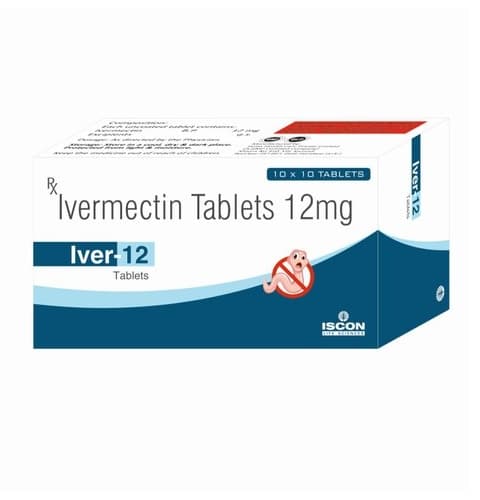
Ivermectin in United Kingdom: Definitive Guide for Safe and Effective Use
Key Facts: Summary Table
| Parameter | Detail (as of 2026, United Kingdom) |
|---|---|
| Active Ingredient | Ivermectin |
| Drug Category | Antiparasitic (macrocyclic lactone) |
| Main Indications | Scabies, strongyloidiasis, onchocerciasis, other parasitic infections (off-label use not NHS approved) |
| Prescription Status | Prescription-only (POM) in United Kingdom |
| Regulatory Authority | Medicines and Healthcare products Regulatory Agency (MHRA) |
| Typical Onset of Action | Within hours for some parasitic infections |
| Main Contraindication | Known allergy to Ivermectin or excipients |
| Availability | Licensed for human use; veterinary formulations strictly prohibited for human consumption |
| Legal Requirement | Prescription required; illegal to purchase for human use without prescription |
| Cost (approx.) | £5–£35 per treatment course (not typically covered by NHS for non-standard indications) |
Bottom line: Ivermectin is available by prescription-only in the UK. Always consult a doctor before use.
Legal Status and How to Obtain Ivermectin in United Kingdom
No. Under UK law (MHRA, 2026), Ivermectin is classified as a prescription-only medicine (POM). It is illegal to obtain it for human use without a valid prescription from a registered prescriber in the UK.
While some online platforms may claim to offer Ivermectin, purchasing from unregulated sources exposes you to risks — including counterfeit medicines, legal penalties, and potential harm.
Myth vs Reality
Myth: “Ivermectin is available over the counter in some countries, so I can get it easily online.”
Reality: In the UK, only pharmacies registered with the General Pharmaceutical Council and requiring a prescription can supply Ivermectin for human use.
- Never use veterinary formulations — they are not safe or legal for human use.
- Private prescriptions are possible but must be issued by a licensed UK prescriber.
- Some private clinics and telehealth services, especially in cities like London, Manchester, or Glasgow, may offer consultations for specific indications.
Always verify a pharmacy’s registration status on the General Pharmaceutical Council website.
How Does Ivermectin Work? Mechanism of Action Explained
Ivermectin exerts its antiparasitic effect by binding with high affinity to glutamate-gated chloride ion channels found in invertebrate nerve and muscle cells. This interaction increases the permeability of the cell membrane to chloride ions, causing hyperpolarisation, paralysis, and ultimately death of the parasite.
In simple terms: Ivermectin acts like a “lock” on the parasite’s nervous system, shutting it down and making it impossible for the parasite to move or survive. Human nervous systems do not contain these same channels, which explains the drug’s selectivity and relatively good safety profile when used at approved doses.
It is important to note that — despite much online misinformation — Ivermectin does not act as a broad-spectrum antiviral in humans. Comprehensive 2024–2026 systematic reviews have found no clinically significant benefit for viral illnesses, including COVID-19, outside of clinical trials. The NHS and MHRA do not approve or recommend Ivermectin for this use.
Ivermectin’s action is independent of food, light exposure, or other external triggers, but absorption can be affected by dietary fat (see below).
Key takeaways:
- Ivermectin disrupts nerve/muscle function in parasites, killing them.
- Does not affect human nerves at standard doses.
- Not a cure-all: it treats specific conditions only.
Ivermectin: When Is It Prescribed in United Kingdom?
Currently approved indications in the UK:
- Scabies (especially crusted or refractory cases where topical therapy fails or is not possible)
- Strongyloidiasis (intestinal infection by Strongyloides stercoralis)
- Onchocerciasis (river blindness, rare in the UK but relevant for returned travellers)
- Other rare parasitic infections (e.g. gnathostomiasis, cutaneous larva migrans, as determined by infectious disease specialists)
Off-label: There are limited situations where Ivermectin may be considered for non-approved uses, always under specialist supervision. The NHS does not routinely fund Ivermectin for off-label conditions.
Bottom line: If you think you may need Ivermectin, discuss your symptoms and travel history with your GP or a consultant in infectious diseases or tropical medicine.
Where to find an expert? Specialist infectious diseases clinics in London (e.g., Hospital for Tropical Diseases, University College London Hospitals), Oxford, or Liverpool are leading centres for complex cases within the UK.
Ivermectin Dosage: How to Take It Safely
| Indication | Standard Adult Dose | Timing and Duration |
|---|---|---|
| Scabies | 200 micrograms/kg (single oral dose) | Repeat after 7–14 days if required |
| Strongyloidiasis | 200 micrograms/kg once daily | For 1–2 days |
| Onchocerciasis | 150 micrograms/kg (single oral dose) | Repeat every 6–12 months as needed |
- Never exceed the prescribed dose.
- Doses for children are weight-based and MUST be determined by a paediatrician or infectious diseases specialist.
- Tablet splitting: Most Ivermectin formulations in the UK come as 3mg or 6mg tablets. Do not split tablets unless instructed by your pharmacist or doctor, as the dose distribution may not be uniform.
- Maximum safe dose: No more than 400 micrograms/kg in total, unless under direct specialist supervision.
- Peak effect: Within 4–8 hours for most indications.
Important: If you have liver or kidney impairment, or are elderly, your doctor may adjust your dose or recommend additional monitoring.
Missed a dose? Take it as soon as remembered if within a few hours. If it is nearly time for your next dose, skip the missed dose. Never double up.
Food, Alcohol, and Lifestyle: Practical Compatibility Guide
| Interaction | Recommendation | Explanation |
|---|---|---|
| Fatty food | Yes, but with caution | High-fat meals increase absorption, potentially raising blood levels. Take on empty stomach if possible unless directed otherwise. |
| Alcohol | Best avoided | Alcohol may increase risk of side effects (drowsiness, liver strain). No direct interaction, but caution is advised. |
| Grapefruit juice | Avoid | May interfere with liver enzymes (CYP3A4), altering Ivermectin metabolism. |
| Driving and machinery | Caution | May rarely cause dizziness or drowsiness. Avoid driving if affected. |
| Other medicines | Consult pharmacist | Risk of interaction with warfarin, some anti-epileptics, and immunosuppressants. |
Key tip: To reduce risk of side effects, take Ivermectin with a full glass of water on an empty stomach unless otherwise directed by your doctor.
Red Flags: Who Should Never Take Ivermectin?
- Absolute Contraindications
-
- Known hypersensitivity to Ivermectin or any excipients in the formulation
- Children under 15kg body weight (unless specialist prescribes)
- Pregnancy: Not recommended unless benefit outweighs risk — discuss with obstetrician
- Severe hepatic (liver) impairment
- Relative Contraindications (Use with Caution)
-
- Breastfeeding women
- People with moderate liver or kidney impairment
- Concomitant use of drugs that affect CYP3A4 enzyme (e.g., certain antibiotics, antifungals)
- Immunocompromised patients (higher risk for severe side effects)
Why these restrictions? Liver impairment reduces the body’s ability to clear Ivermectin, increasing risk of toxicity. In pregnancy, animal studies show potential harm; human data is limited.
After major illness: If you’ve recently had a severe infection or major surgery, discuss timing of Ivermectin use with your doctor.
What Side Effects Are Most Common with Ivermectin?
Side effects of Ivermectin are generally mild and temporary but can sometimes be serious. Below is a breakdown by frequency (based on MHRA and WHO data):
| Frequency | Side Effect | Mechanism/Notes |
|---|---|---|
| Very Common (>1/10) | Mild diarrhoea, nausea, dizziness | Gut irritation, nervous system sensitivity |
| Common (1/10–1/100) | Rash, itching, headache, muscle ache | Immune response as parasites die |
| Rare (1/1,000–1/10,000) | Severe allergic reaction (anaphylaxis), low blood pressure | Usually in individuals with pre-existing allergy |
| Very Rare (<1/10,000) | Neurological complications (seizures, confusion) | Mostly in overdose or pre-existing CNS conditions |
What to do if you develop side effects:
- Mild symptoms: Inform your prescriber, monitor symptoms
- Signs of allergy (swelling, wheeze, severe rash): Stop taking Ivermectin and seek emergency help (999 in UK)
- Severe neurological symptoms: Seek immediate medical attention
Bottom line: Serious side effects are rare when Ivermectin is taken at the correct dose for approved indications.
How Does Ivermectin Compare to Alternatives?
| Drug | Main Use | Onset | Duration | Prescription Required | Typical Side Effects |
|---|---|---|---|---|---|
| Ivermectin | Scabies, strongyloidiasis, onchocerciasis | Hours | 1–2 weeks for full effect | Yes | GI upset, rash, dizziness |
| Permethrin cream | Scabies (topical) | Immediate (on contact) | Needs repeat application | No (pharmacy medicine) | Skin irritation |
| Benzyl benzoate lotion | Scabies (topical) | Immediate (on contact) | Short | No (pharmacy medicine) | Burning, stinging |
| Albendazole | Some intestinal worms | Hours | Single dose or short course | Yes | Liver enzymes rise, GI upset |
Expert commentary: For scabies, topical permethrin is usually first-line. Ivermectin is reserved for crusted or resistant cases, or when topical therapy cannot be used. For intestinal worms, choice depends on parasite type.
Advantages of Ivermectin: Oral dosing, ease in outbreaks, suitable for mass treatment in settings like care homes.
Disadvantages: Not suitable for all; cannot be bought without prescription; risk of misuse.
How Is Ivermectin Absorbed, Metabolised, and Cleared?
Absorption: Ivermectin is rapidly absorbed after oral administration. Fatty foods increase bioavailability (amount absorbed).
Distribution: Highly lipophilic (dissolves in fat), so it spreads into fatty tissues.
Metabolism: Primarily processed in the liver via CYP3A4 enzymes. This means that drugs or foods (e.g., grapefruit juice) affecting this enzyme can change Ivermectin levels.
Elimination: Excreted mainly in faeces; only small amounts appear in urine.
Half-life: About 18 hours, but effects on parasites may last longer.
In plain English: Ivermectin is taken by mouth, processed by your liver, and leaves your body mostly through your gut.
Guidance for Special Patient Groups
- Elderly: Take standard adult doses unless your doctor advises otherwise. Watch for increased sensitivity and potential drug interactions.
- Pregnancy: Avoid unless no safer alternatives; always consult your obstetrician. Animal data shows risk; human data is limited.
- Breastfeeding: Use with caution. Only very small amounts pass into breastmilk, but discuss with your GP.
- Children: Not recommended under 15kg except on specialist advice.
- Liver or kidney impairment: Dose adjustment or extra monitoring may be needed.
Ivermectin does not affect fertility, and there is no evidence it impairs sexual or reproductive function at therapeutic doses.
Driving/machinery: If you feel dizzy, tired, or unwell, do not drive or operate machinery.
Original vs Generic Ivermectin: What’s the Difference?
Original (brand-name) Ivermectin was first developed by Merck as Mectizan®. Since patent expiry, several high-quality generics are available in the UK, all subject to MHRA approval.
| Aspect | Original | Generic |
|---|---|---|
| Active Ingredient | Ivermectin | Ivermectin (identical) |
| Excipients (fillers) | Brand-specific | May differ (check for allergy to starch, lactose etc.) |
| Cost | Higher | Lower |
| Packaging | Company logo, batch number, expiry, MHRA number | Generic branding, batch number, expiry, MHRA number |
| Efficacy | Proven | Equivalent (MHRA-verified) |
Bottom line: All legal generics in the UK meet MHRA standards and are just as effective and safe as brand-name medicines.
Tip: If you have allergies to certain fillers (e.g., lactose), check the excipient list or ask your pharmacist.
Spotting Counterfeit Ivermectin in United Kingdom
Counterfeit or unregulated Ivermectin is a growing concern, especially with online purchasing. Never buy from unregistered sources.
- Packaging: Look for tamper-proof packaging, clear batch/expiry date, MHRA registration number, and (when applicable) a hologram or QR code for authenticity verification.
- Tablet appearance: Consistent size, shape, colour, and imprint. If your tablets look different from previous prescriptions, check with your pharmacist.
- Price warning: Unusually low prices or “bulk deals” are red flags for counterfeits.
- Source: Only use pharmacies registered with the General Pharmaceutical Council. Avoid overseas online sellers.
Quality Check Block:
- Check for batch number and expiry date
- Verify MHRA number and manufacturer name
- Look for the green cross or EU common logo for online pharmacies
- If in doubt, contact the MHRA via the Yellow Card Scheme
Step-by-Step: How to Obtain Ivermectin Legally in United Kingdom
- Consult a qualified healthcare professional (GP, infectious diseases consultant, or tropical medicine specialist) about your symptoms and possible need for Ivermectin.
- Assessment: Your doctor may take a medical history, physical examination, and possibly request laboratory tests.
- Receive a prescription if Ivermectin is deemed appropriate. This may be provided by your NHS GP (for approved indications) or a private prescriber.
- Choose a registered pharmacy (community, hospital, or online — always check for General Pharmaceutical Council or MHRA registration).
- Present your prescription and collect your medication. Your pharmacist will advise on dosing, side effects, and answer any questions.
- Follow up: Arrange review with your prescriber if symptoms persist or side effects develop.
Telemedicine note: Many UK-registered telehealth platforms offer secure video or phone consultations, and can send prescriptions electronically to pharmacies in England, Scotland, Wales, or Northern Ireland.
What Should I Do if I Take Too Much Ivermectin?
- Stop taking Ivermectin immediately.
- Call NHS 111 (or 999 if you have severe symptoms such as difficulty breathing, loss of consciousness, or seizures).
- Inform the medical team of the dose, timing, and any other medications taken.
- Bring the medication packaging to the hospital, if possible.
- Do not try to induce vomiting without medical advice.
Symptoms of overdose: Confusion, unsteadiness, muscle tremor, visual disturbances, seizures, severe nausea or vomiting.
Bottom line: Overdose is rare with correct dosing, but immediate medical attention is crucial if it occurs.
Psychological Support: You’re Not Alone
If you’re struggling with conditions requiring Ivermectin, know that you are not alone. Many parasitic diseases can cause distress and embarrassment, but they are treatable and common, especially in returned travellers or community outbreaks.
It’s perfectly normal to feel anxious — talk to your GP, nurse, or specialist. Discussing your diagnosis and treatment openly can significantly improve mental wellbeing. If you need further support, NHS mental health services and patient groups are available nationwide.
Frequently Asked Questions about Ivermectin (UK)
- Is Ivermectin available on the NHS?
- Ivermectin is available on the NHS for approved indications such as scabies and strongyloidiasis, but not for unapproved or “off-label” uses.
- Can I get Ivermectin from online pharmacies in UK?
- Yes, but only from UK-registered pharmacies and with a prescription from a UK-registered prescriber.
- Is it safe to use Ivermectin for COVID-19?
- No. Systematic reviews show no proven benefit for COVID-19, and UK regulators strongly advise against this use outside clinical trials.
- Do I need to take Ivermectin with food?
- It can be taken with or without food, but absorption is higher with fatty meals. For consistent effects, take on an empty stomach unless instructed otherwise.
- Can children take Ivermectin?
- Only prescribed by a specialist and not recommended for children under 15kg.
- What should I do if I miss a dose?
- Take it as soon as possible unless it’s almost time for your next dose. Never double up.
- How do I check if my Ivermectin is genuine?
- Check for MHRA number, batch/expiry date, tamper-evident packaging, and purchase only from registered pharmacies.
- Can Ivermectin interact with other medicines?
- Yes, especially drugs affecting liver enzymes (CYP3A4). Inform your doctor of all medications and supplements.
- How quickly does Ivermectin work?
- Most effects begin within hours, but full clearance of parasites may take days to weeks.
- What alternatives exist if Ivermectin is unsuitable for me?
- Permethrin cream, benzyl benzoate lotion, and albendazole are alternatives depending on the condition. Your doctor will advise.
References
- MHRA: Medicines and Healthcare products Regulatory Agency (accessed 2026)
- BNF: Ivermectin Monograph, British National Formulary (accessed 2026)
- Crump, A. (2024). Ivermectin: enigmatic multifaceted ‘wonder’ drug continues to surprise and exceed expectations. J Antibiot PubMed
- European Medicines Agency. Ivermectin: EPAR (accessed 2026)
- UK Health Security Agency: Scabies guidance (accessed 2026)
- Hill, D. R. (2025). Ivermectin in the treatment of human parasitic diseases: a systematic review. BMJ. BMJ