





- Home/
- Buy Furosemide Without Prescription in the United Kingdom Online
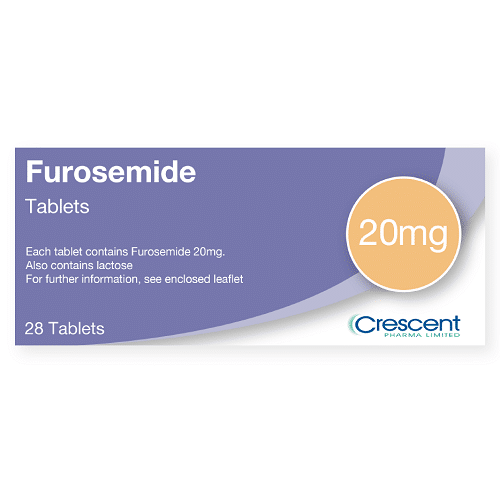
Furosemide is a prescription medicine used in the United Kingdom to manage swelling (oedema) caused by conditions such as heart failure, liver disease, or kidney problems. It helps your body get rid of excess fluid, but using it safely means understanding not just what it does, but how it fits your medical picture—and when it might not be the right choice. Before starting, make sure you know how Furosemide’s effects can differ from other water tablets (diuretics), and which side effects need your attention.
Why Furosemide Enters the Picture: A Patient’s Turning Point
It’s often not a dramatic moment. A wedding ring grows tight. Shoes are harder to slip on, and ankles puff out at the end of the day. For many in the United Kingdom, the road to Furosemide starts with these subtle signs—swelling that doesn’t fade overnight, breathlessness on the stairs, or a sense that your body’s holding on to more than it should. When you finally see your GP, “fluid retention” becomes the phrase that sticks, and suddenly “water tablets” are in the conversation.
Clinical insight: Most people referred for Furosemide aren’t simply chasing comfort. By the time you’re offered this prescription, your doctor suspects a deeper issue—heart, kidney, or liver function is faltering, and that excess fluid is the warning sign.
Edema isn’t an illness; it’s a symptom, and Furosemide isn’t a bandage. It’s a tool, one that can shift how your heart, kidneys, and circulation cope with strain. The decision isn’t just “Do I need to lose this fluid?” but “Is Furosemide the right way to do it—and am I the right patient for it?”
This article follows the journey from first prescription to living day-to-day with Furosemide. Along the way, we’ll cut past the jargon to what matters: how it works, how it feels, and how you can use it safely in the reality of UK healthcare.
What Furosemide Actually Does in Your Body—and Why That Matters
Furosemide isn’t just another “water tablet.” Its action is abrupt, powerful, and sometimes a little too effective. Once swallowed, it quickly travels to your kidneys—specifically, a part called the loop of Henle. There, it forces your kidneys to dump sodium and water into the urine, clearing excess fluid from your blood and tissues. The impact is usually felt within an hour; you may need to stay near a toilet.
- Loop Diuretic
- Furosemide is a “loop” diuretic, meaning it acts on a specific segment of the kidney’s filtering system, creating a potent diuretic effect compared to other classes.
- Onset and Duration
- After an oral dose, urine output typically increases within 30–60 minutes, peaking at about 1–2 hours, and can last for up to 6 hours—sometimes longer if kidney function is reduced.
Why does this matter for you? Because the speed and strength of Furosemide can be a blessing (rapid relief from swelling and breathlessness) but also a risk if your body loses too much fluid or key minerals like potassium.
For most, the relief is real—less swelling, easier breathing, and a sense of lightness. But this power comes with a need for regular monitoring: your GP or specialist will usually order blood tests to check kidney function and electrolyte levels before and during treatment, especially in the first weeks.
The Real Difference: Furosemide vs. Other Diuretics in Edema
Not all diuretics are created equal. In the UK, the first treatment for mild fluid retention is often a thiazide diuretic (such as bendroflumethiazide or indapamide). These are gentler, preferred for high blood pressure with modest swelling. Furosemide steps in when the swelling is more severe, when kidneys are less efficient, or when heart failure demands urgent action.
| Attribute | Furosemide | Bendroflumethiazide | Spironolactone |
|---|---|---|---|
| Type | Loop diuretic | Thiazide diuretic | Potassium-sparing diuretic |
| Main Use in Edema | Heart failure, renal/liver edema, severe cases | Mild-moderate edema, hypertension | Ascites (liver), heart failure (with loop) |
| Onset & Strength | Fast, potent | Slower, less potent | Slower, mild |
| Key Risk | Low potassium, dehydration | Low sodium, gout | High potassium, hormonal effects |
| Prescription Rules (UK) | Prescription only | Prescription only | Prescription only |
| Typical Cost | Low; NHS prescription charge | Low; NHS prescription charge | Low; NHS prescription charge |
In practice, Furosemide is not the first step for everyone. Its rapid effect is valuable for urgent fluid relief but brings more risk of electrolyte disturbance, which is why it’s reserved for patients whose swelling is more serious or linked to heart/kidney/liver failure. Spironolactone’s strengths are in liver disease and as an add-on in heart failure, especially when potassium loss is a concern.
How Furosemide Is Used in the UK: Prescription, Access, and Costs
In the United Kingdom, Furosemide is a prescription-only medicine. You’ll most likely receive it after a full evaluation by your GP or a hospital specialist—often following blood tests to check your kidney function and electrolytes. Repeat prescriptions are common for chronic conditions, but ongoing review is essential.
- Regulation: Furosemide is authorised by the Medicines and Healthcare products Regulatory Agency (MHRA).
- NHS Access: Available via GP or hospital prescription; all UK pharmacies can dispense it.
- Cost: Standard NHS prescription charges apply in England; free in Scotland, Wales, and Northern Ireland.
- Private Prescriptions: Furosemide can also be prescribed privately, but patients usually choose the NHS route for cost reasons.
- Online Pharmacies: Legitimate UK online pharmacies require a valid prescription and are regulated by the General Pharmaceutical Council (GPhC).
Generic Furosemide is widely dispensed; there’s no clinical difference from branded versions in the UK. If you notice a change in tablet shape or packaging, check with your pharmacist, but the active ingredient and effect remain the same.
Taking Furosemide: What to Expect, Day by Day
Most patients notice an increase in urination within the first hour after taking Furosemide. This can be dramatic—sometimes inconveniently so—especially in the first few days, as your body sheds built-up fluid. Swelling often improves quickly, and breathlessness may ease if fluid was building up in the lungs.
- First Doses: Expect to need the toilet more often. Plan your day so you’re near a bathroom when you take your dose.
- After Several Days: Swelling should reduce. Weigh yourself regularly if advised—sudden weight changes are a key marker of fluid loss or build-up.
- First Few Weeks: Your GP will likely arrange repeat blood tests to check for low potassium, sodium, or changes in kidney function.
- Long Term: Routine monitoring becomes less frequent, but alert your doctor if symptoms return, you feel dizzy, or you develop muscle cramps.
If you’re combining Furosemide with other medicines, keep a list handy. Some blood pressure medications, anti-inflammatories, or antibiotics can interact and increase the risk of side effects. Your pharmacist can double-check for potential problems when dispensing.
Timing, Dosing, and Practicalities: Making Furosemide Work for You
The dose of Furosemide is not one-size-fits-all. Most adults with edema start at 20–40 mg once daily, though the range can vary widely depending on how much fluid you need to shift, your kidney function, and your response to treatment. In severe cases or resistant edema, the dose may be increased, sometimes requiring divided doses.
| Indication | Starting Dose (Adult) | Typical Dose Range | Elderly | Renal Impairment |
|---|---|---|---|---|
| Edema (Heart, Liver, Kidney) | 20–40 mg once daily | 20–120 mg/day in 1–2 doses | Start at lower end (20 mg); titrate slowly | May require higher doses; careful monitoring |
| Acute Pulmonary Oedema | 40 mg IV (hospital use) | Up to 80 mg IV, repeat as needed | N/A | Dose adjusted to response |
In the UK, dose adjustments are based on your response, side effects, and lab results rather than a fixed schedule. Elderly patients are started at lower doses, as they’re more prone to dehydration and low blood pressure. People with poor kidney function may paradoxically need higher doses, as their kidneys are less responsive.
Never change your dose or stop suddenly without medical advice. Missing doses for a few days can cause swelling to rebound, sometimes dangerously.
Which Side Effects Matter Most with Furosemide—and When to Act
Every medicine has its trade-offs. With Furosemide, common effects—like frequent urination—are expected and, for most, not a problem. But certain side effects deserve immediate attention. The most serious risks are dehydration and electrolyte imbalances, especially low potassium (which can affect your heart) and low sodium. Uncommon but serious reactions include allergic responses and changes to hearing.
| Side Effect | How Common? | When to Contact a Doctor |
|---|---|---|
| Increased urination | Very common | If excessive or causing dehydration symptoms |
| Low potassium (hypokalaemia) | Common | If you feel weak, have cramps, palpitations, or muscle pain |
| Low sodium (hyponatraemia) | Common | If you feel confused, extremely tired, or have seizures |
| Dizziness/fainting | Common | If you collapse or cannot stand |
| Allergic reactions | Rare | If you develop rash, swelling of face/throat, or difficulty breathing—seek emergency help |
| Hearing changes (tinnitus, deafness) | Rare | If new, seek urgent medical attention |
Frequent blood checks are not bureaucracy—they’re your safety net. If Furosemide is paired with medicines that also lower potassium (e.g., some blood pressure tablets), risk increases. Eating potassium-rich foods (like bananas or oranges) is sometimes recommended, but do not start supplements unless your doctor says so—too much potassium, especially if you have kidney problems, can be dangerous.
Doctor’s Voice: “In practice, most side effects are preventable if patients stick to their agreed dose, keep up with blood tests, and report new symptoms early. When things go wrong, it’s usually because the dose was too high, another medicine interacted, or someone stopped eating and drinking properly due to illness.”
When Not to Take Furosemide: Who Should Be Wary or Avoid It Altogether
- Severe allergy to Furosemide or sulfonamide-type drugs: If you have a known allergy, Furosemide is off-limits.
- Anuria: If your kidneys no longer produce urine, Furosemide will not work and may cause harm.
- Hepatic coma: In severe liver disease with confusion/unconsciousness, Furosemide can worsen the situation.
- Severe electrolyte imbalance: Furosemide can make existing low potassium or sodium much worse.
- Very low blood pressure: The medicine reduces blood volume, risking collapse.
- Pregnancy and breastfeeding: Not routinely used unless benefits outweigh risks.
- Severe gout: Furosemide can raise uric acid, triggering attacks.
In the UK, your doctor will screen for these risks before prescribing. Always mention any history of allergies, kidney or liver problems, or unusual reactions to medicines.
FAQ: Furosemide in the UK
1. Can I take Furosemide with my other medicines?
Many people with edema are on several medicines. Furosemide interacts with some blood pressure tablets, antibiotics (such as aminoglycosides), and anti-inflammatory drugs. Always provide a full medicine list to your GP and pharmacist so they can check for problems.
2. What if I miss a dose of Furosemide?
If you miss a dose, take it as soon as you remember—unless it’s late in the day, in which case skip it to avoid being up all night. Never double up doses. If you regularly forget doses, discuss practical solutions with your healthcare team.
3. How will I know if Furosemide is working?
The most obvious sign is that swelling goes down—or weight drops if you track it. You may also feel less short of breath. If symptoms persist or worsen, consult your GP as your dose may need adjusting or another cause investigated.
4. Do I need regular blood tests while taking Furosemide?
Yes. Especially in the first weeks, your GP will monitor kidney function and salts (potassium and sodium). Long-term, tests are less frequent but remain important, particularly if you feel unwell or your dose changes.
5. Can I buy Furosemide over the counter in the UK?
No. Furosemide is only available on prescription in the UK. Any website or shop offering it without a prescription is unregulated and potentially dangerous.
6. What foods or drinks should I avoid?
There are no strict food bans, but take care with salt substitutes (which may contain potassium) and avoid excessive alcohol, which can worsen dehydration. If you’re told your potassium is low, eat more potassium-rich foods unless your doctor says otherwise.
7. What should I do if I feel dizzy, faint, or very weak on Furosemide?
These could be signs of low blood pressure or electrolyte disturbance. Sit down, hydrate, and contact your GP. If you collapse or have palpitations, seek urgent medical attention.
8. Is it safe to take Furosemide long-term?
Many people take Furosemide for years, but regular review is crucial. Risks increase if kidney function worsens, other medicines interact, or if you become ill and stop eating/drinking. Stay in touch with your healthcare team for safe long-term use.
9. How do I know if my swelling is from fluid or something else?
Only a clinical assessment—often including blood tests, urine tests, and sometimes imaging—can determine the true cause. Don’t self-diagnose; see your GP if you notice new or worsening swelling.
Sources and References
- National Institute for Health and Care Excellence (NICE). Chronic Heart Failure in Adults: Diagnosis and Management. NICE Guideline [NG106], 2018.
- Furosemide – NHS Medicines A to Z
- Furosemide 40mg Tablets – Summary of Product Characteristics
- Medicines and Healthcare products Regulatory Agency (MHRA) – Official Regulatory Authority, UK
- PubMed – National Library of Medicine
- Joint Formulary Committee. British National Formulary (BNF), BMJ Group and Pharmaceutical Press, 2023.
- General Pharmaceutical Council (GPhC)
- Furosemide (Oral Route) – Mayo Clinic